
Horizon OS Architecture & Interaction Design
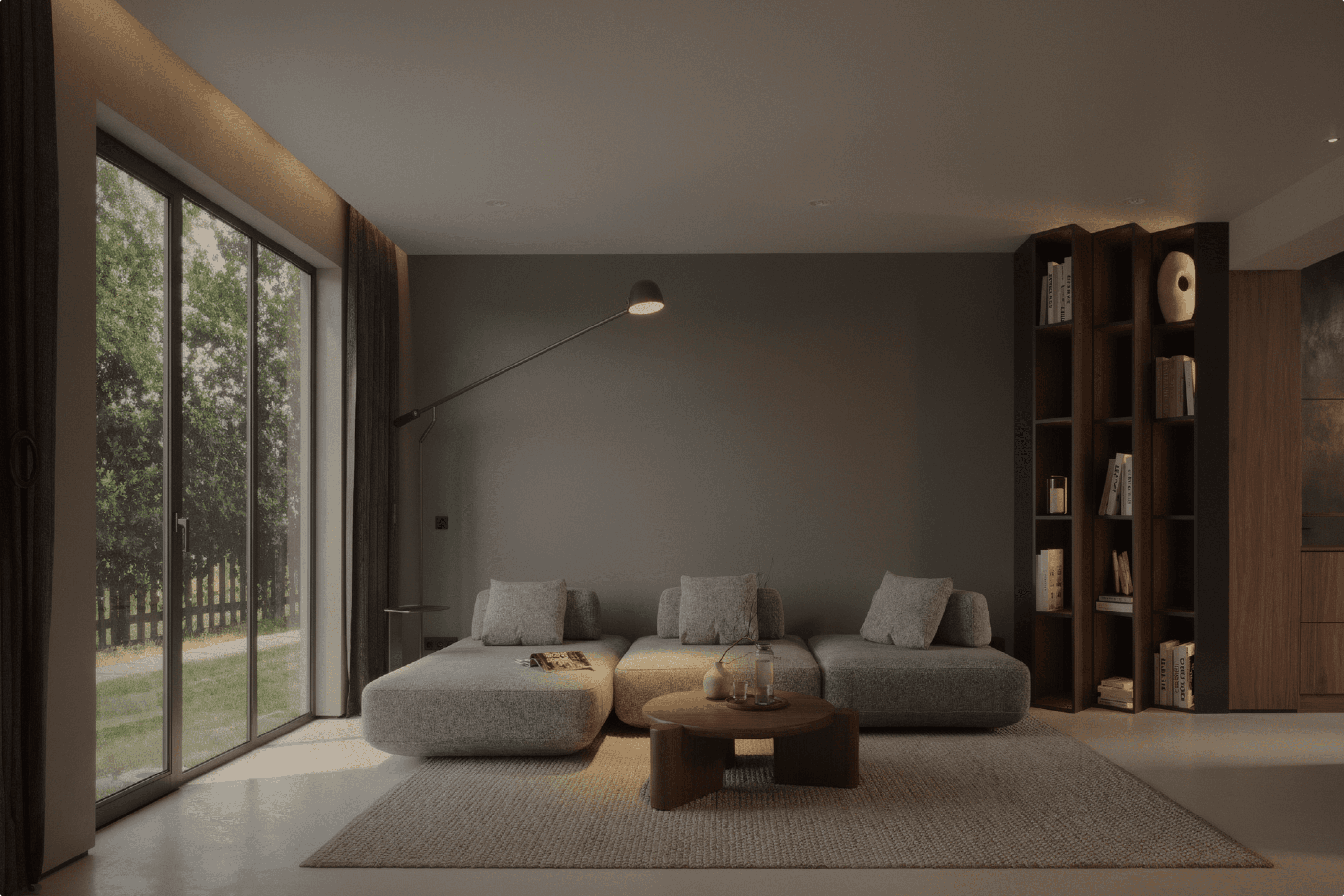
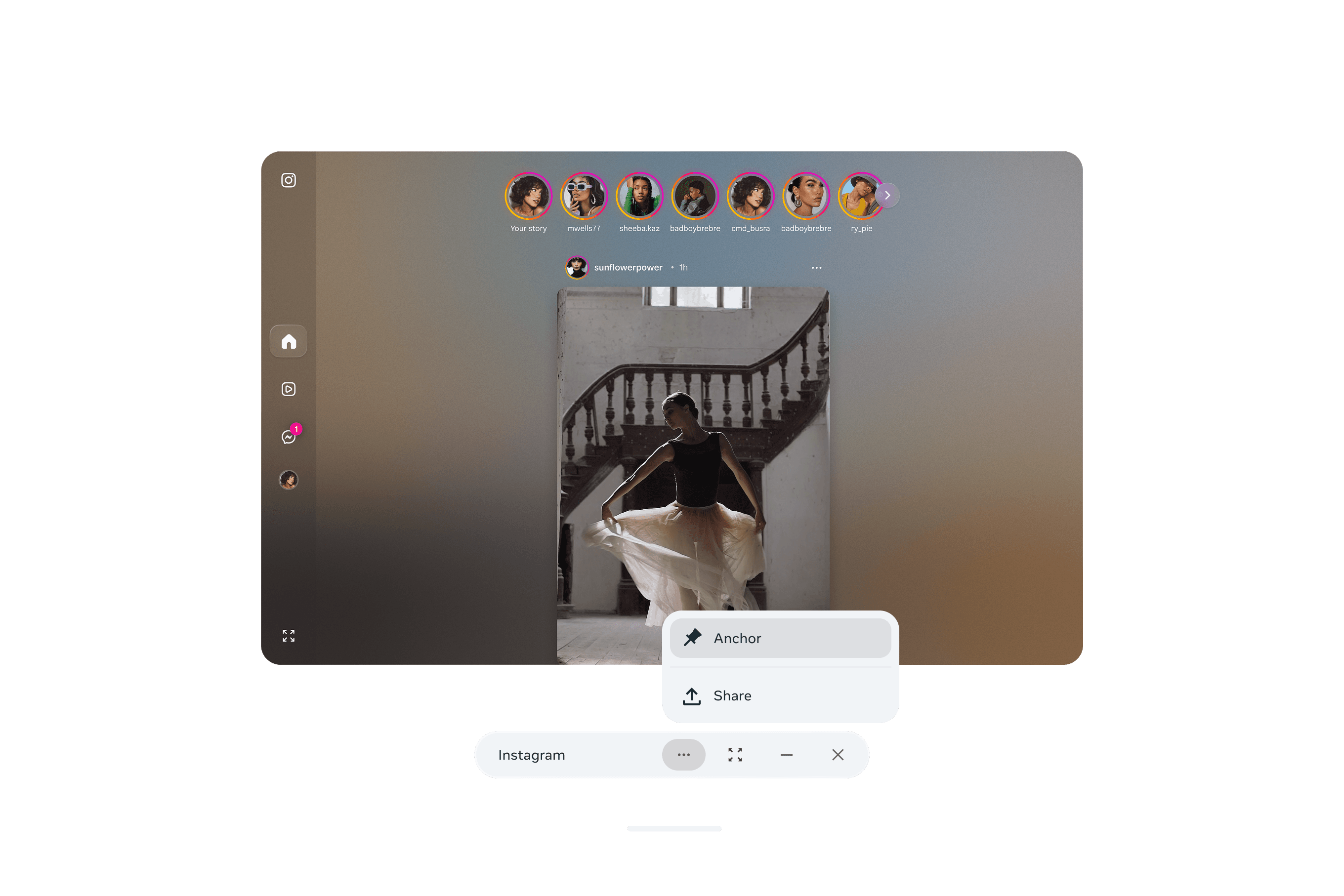


Horizon OS is the operating system for Quest headsets. As the platform expanded from virtual reality into mixed reality, it needed new interaction patterns: anchoring windows to a space, content that transitions between realities, and a foundation for integrating Meta AI.
Role
Senior Product Designer (IC)
Challenge
Evolve a panel-based operating system into a spatial platform with a focus on mixed reality, and repurpose a legacy voice system to bring Meta AI interaction to the platform.
Contribution
Led interaction designs for spatial window management, anchoring content to physical spaces, and surface-aware placement. Built prototypes and led cross-functional reviews to align on novel interaction patterns across the OS. Led the first phase of Meta AI interaction on the Quest platform, designing the end-to-end voice experience from activation through response display while navigating legacy architecture constraints.